Our Projects

Lahore Smog Pilot

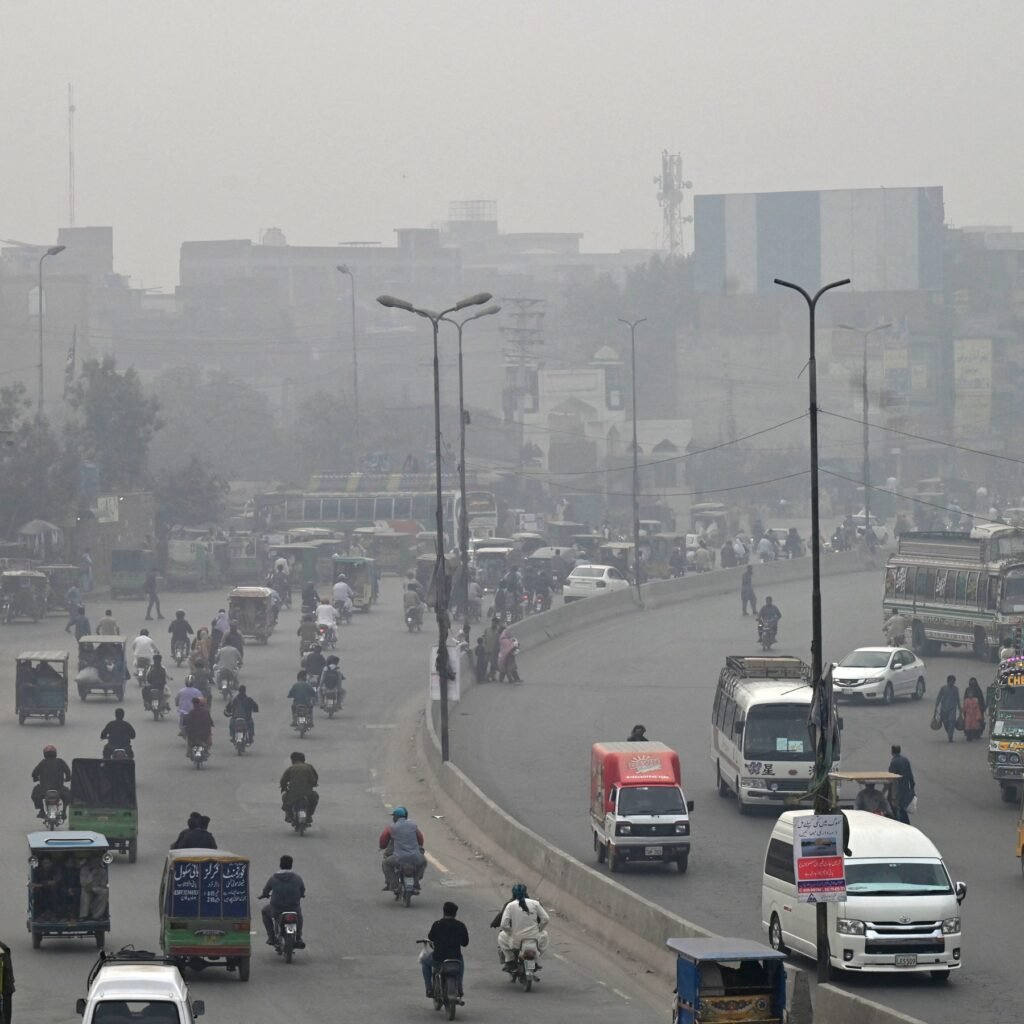
Lahore has been facing one of the most severe smog crises in South Asia, with air pollution levels frequently exceeding safe limits. To address this urgent issue, ICCCT launched the Lahore Smog Pilot, a pioneering initiative that leverages advanced atmospheric technologies to reduce harmful pollutants and improve air quality. The project focuses on reducing PM2.5 levels, the most dangerous airborne particles affecting millions of residents in the city. By deploying innovative smog control methods, ICCCT is working toward cleaner skies and healthier breathing conditions, directly benefiting both public health and daily urban life. Beyond immediate relief, this pilot project serves as a scalable model for other cities facing similar air pollution challenges. It demonstrates how climate technology can provide sustainable, real-world solutions to one of the most pressing urban environmental problems of our time.

Cholistan Rain Enhancement

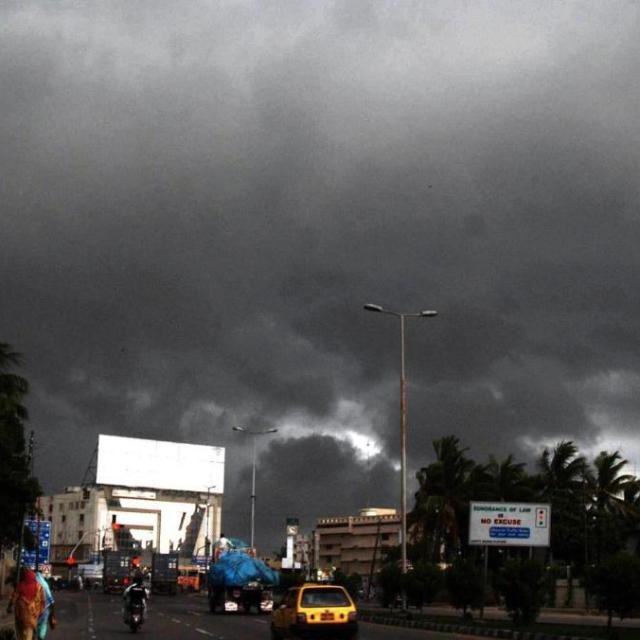
The Cholistan desert is one of Pakistan’s driest regions, where water scarcity continues to threaten agriculture, livestock, and local livelihoods. To combat this challenge, ICCCT launched the Cholistan Rain Enhancement Project, applying advanced cloud-seeding and atmospheric interventions to stimulate rainfall. By increasing precipitation in arid zones, the project ensures better water availability for farming, grazing, and daily survival needs of desert communities. This initiative is particularly significant as it helps reduce vulnerability to prolonged droughts, which are becoming more frequent with climate change. The Cholistan project not only addresses immediate water scarcity but also strengthens long-term resilience in one of the country’s most vulnerable ecosystems. It highlights how technology-driven solutions can be adapted to safeguard communities living in extreme environments.
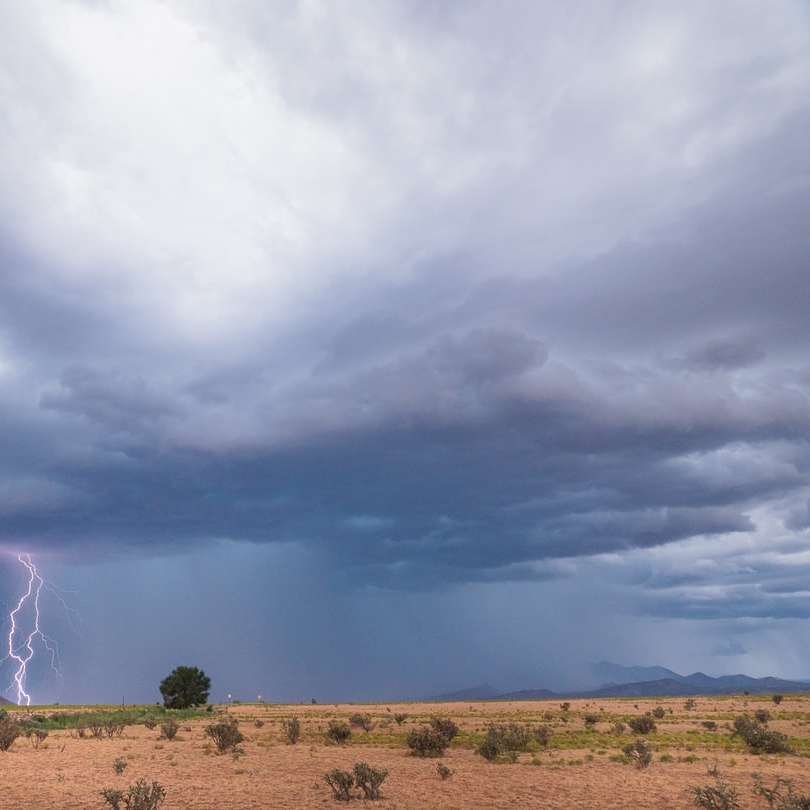
Balochistan Rain Project

Balochistan faces persistent water shortages that affect millions of people across its vast, rugged terrain. Recognizing the need for sustainable water solutions, ICCCT developed the Balochistan Rain Project, using cloud-seeding and atmospheric technologies to enhance rainfall and restore balance to the region’s water resources. This project provides critical support to agriculture and livestock, helping communities that rely heavily on natural rainfall for survival. By replenishing reservoirs and groundwater supplies, the initiative strengthens food and water security while improving overall living standards. In the long run, the Balochistan Rain Project represents a strategic investment in climate resilience. It not only addresses the immediate water crisis but also lays the groundwork for sustainable growth, empowering communities to withstand the impacts of climate variability in the years ahead.

Rain Enhancement & rainfall harvesting in Thar in collaboration with NED

The Thar desert region faces extreme aridity, where water scarcity severely affects agriculture, livestock, and daily survival. To address this challenge, ICCCT, in collaboration with NED University of Engineering & Technology, has initiated the Rain Enhancement & Rainfall Harvesting Project in Thar. This project combines cutting-edge rain enhancement technologies with practical water harvesting methods to maximize the availability of water resources in one of Pakistan’s harshest environments. By stimulating rainfall and capturing it effectively, the project not only provides immediate relief to local communities but also creates long-term systems for sustainable water management.

Solutions for Restoration of Dry Mountain Slopes in Gilgit Baltistan

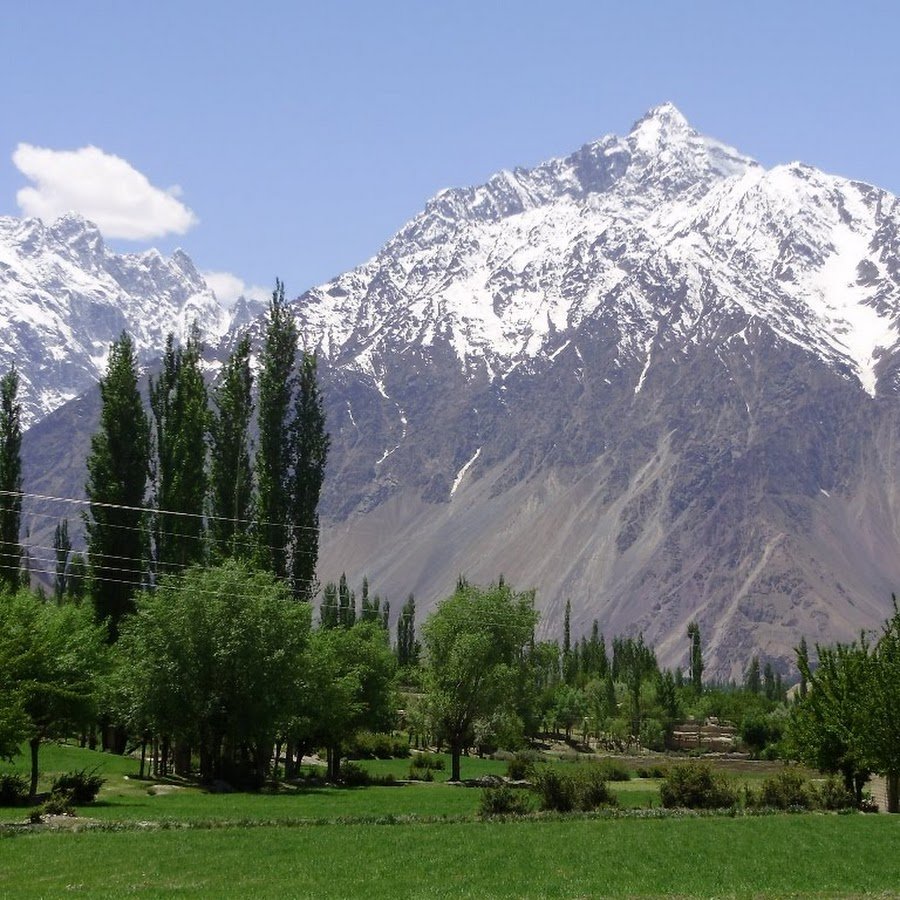
Gilgit Baltistan is home to fragile mountain ecosystems that are increasingly at risk due to climate change, deforestation, and soil erosion. To counter these challenges, ICCCT has initiated a project focused on the Restoration of Dry Mountain Slopes, combining eco-friendly techniques with innovative climate technologies. The aim is to stabilize slopes, restore vegetation, and protect both the environment and the communities that rely on these landscapes. The project introduces solutions such as soil moisture enhancement, reforestation, and water retention methods that help rejuvenate barren slopes. Restoring vegetation cover not only prevents landslides and erosion but also improves biodiversity.

Impact for Sustainable World Ahead

At ICCCT, our commitment goes beyond technology — it’s about measurable results that improve lives and align with global sustainability goals. We work in line with the United Nations Sustainable Development Goals (SDGs), focusing on Climate Action, Clean Air, and Sustainable Cities & Communities. Our initiatives target reduced PM2.5 levels, enhanced rainfall in arid regions, and overall public health improvement, ensuring that every project contributes to long-term environmental and social well-being.